Introduction
Healthcare professionals face significant hurdles in managing arrhythmias, especially in Canada, where over a million individuals are affected by conditions like atrial fibrillation. Interpreting ECGs effectively is vital for timely diagnosis and intervention, but many practitioners find the complexities of heart rhythm disorders challenging.
How can healthcare teams enhance their skills and collaboration to improve patient outcomes in arrhythmia management? In this article, we’ll look at best practices for interpreting arrhythmias effectively, emphasizing how advanced technologies, ongoing education, and teamwork can enhance the quality of care.
Understand Arrhythmias: Definitions and Types
Managing arrhythmias poses significant challenges due to their varied presentations, including fast, slow, or erratic heart rates. In Canada, atrial fibrillation (AFib) is particularly prevalent, affecting over one million individuals and significantly increasing the risk of stroke and heart failure. Understanding the various types of arrhythmia interpretation is essential for effective diagnosis and management. Common types include:
- Atrial Fibrillation (AFib): A rapid and irregular heartbeat that can lead to blood clots, stroke, and other heart-related complications.
- Atrial Flutter: Similar to AFib but characterized by a more organized rhythm, often resulting in less severe symptoms.
- Ventricular Tachycardia (VT): A fast heart rate originating from the ventricles, which can be life-threatening if not treated promptly.
- Ventricular Fibrillation (VF): A chaotic heart rhythm that can lead to sudden cardiac arrest, requiring immediate medical intervention.
Recent studies emphasize the importance of early identification and intervention in managing these conditions. For example, advancements in catheter ablation techniques have demonstrated potential in enhancing outcomes for individuals with persistent AFib, indicating that earlier treatment can result in improved disease management. By understanding these arrhythmias, healthcare professionals can significantly enhance their arrhythmia interpretation capabilities, ultimately leading to improved patient outcomes in a rapidly evolving treatment landscape.

Utilize Advanced Technologies for Accurate ECG Interpretation
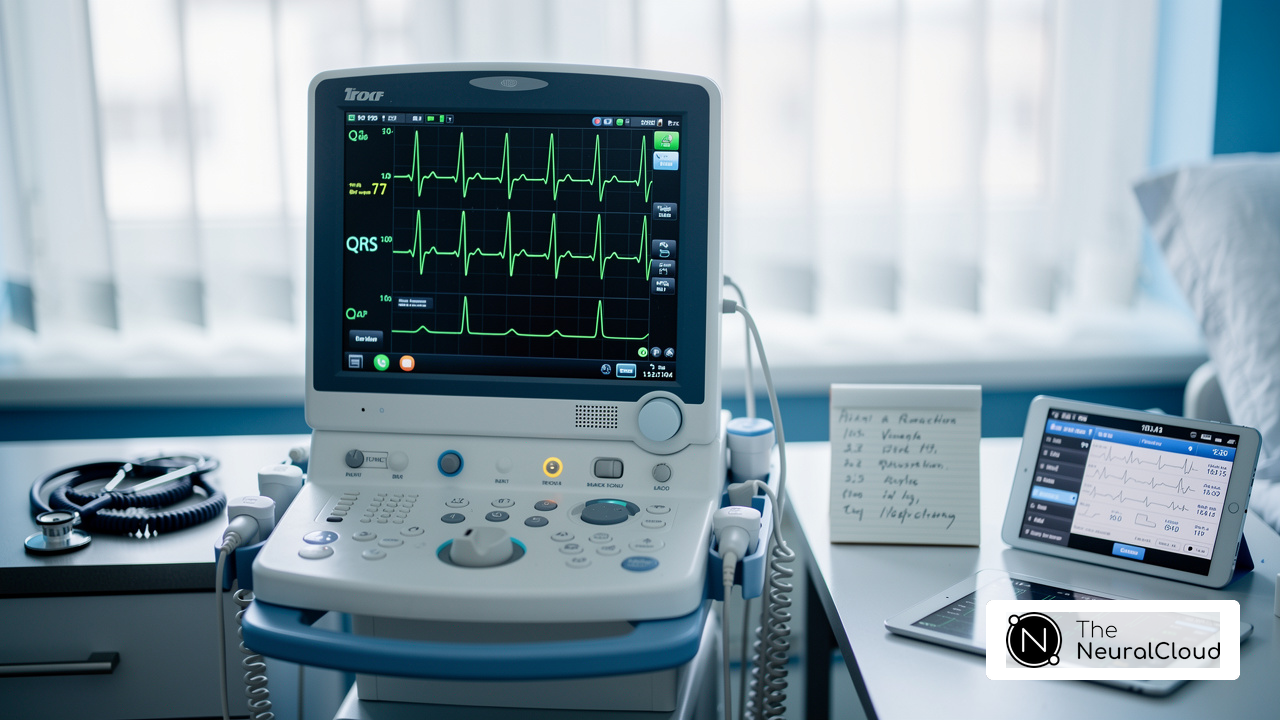
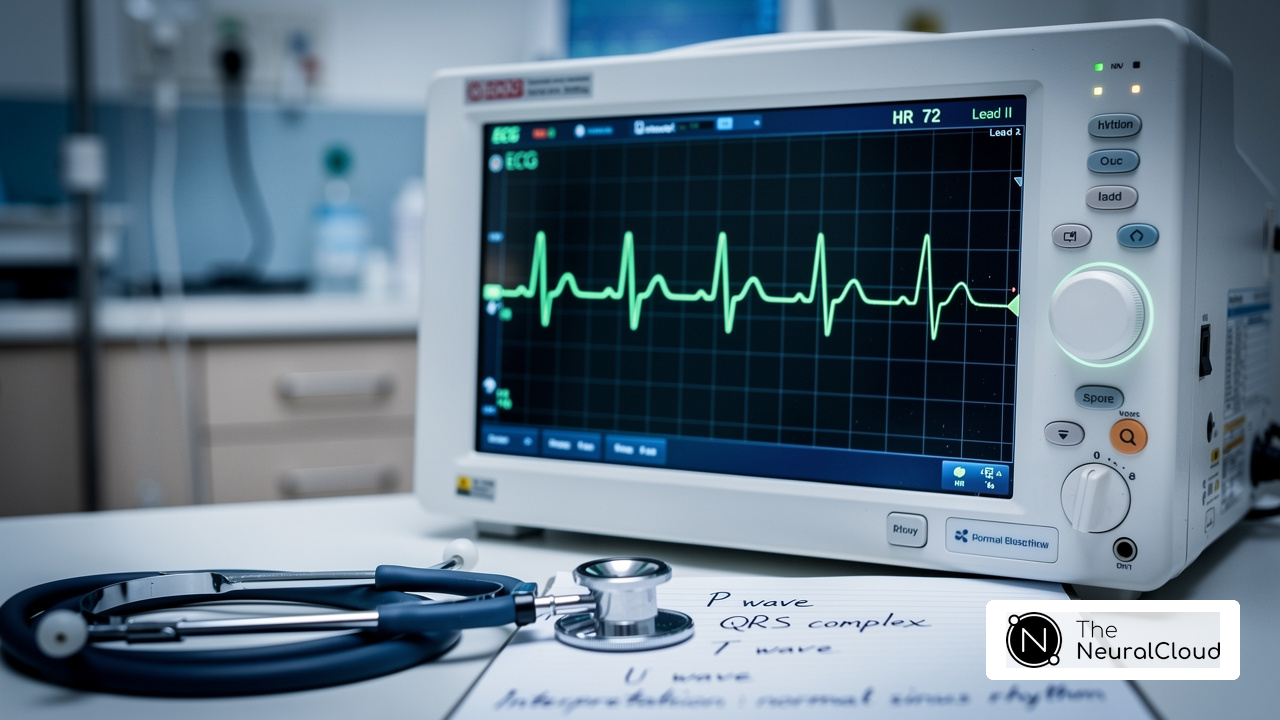
Traditional ECG analysis often struggles with noise interference and accuracy, leading to potential misdiagnoses. Here are some best practices:
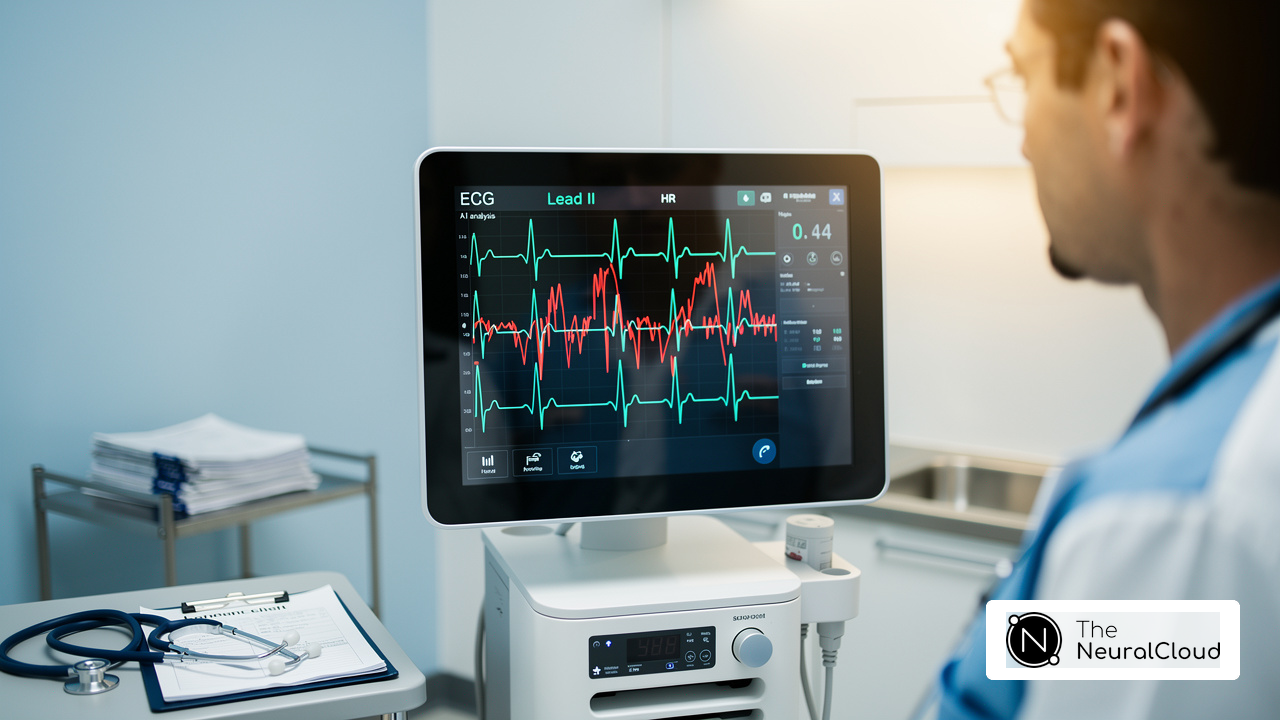
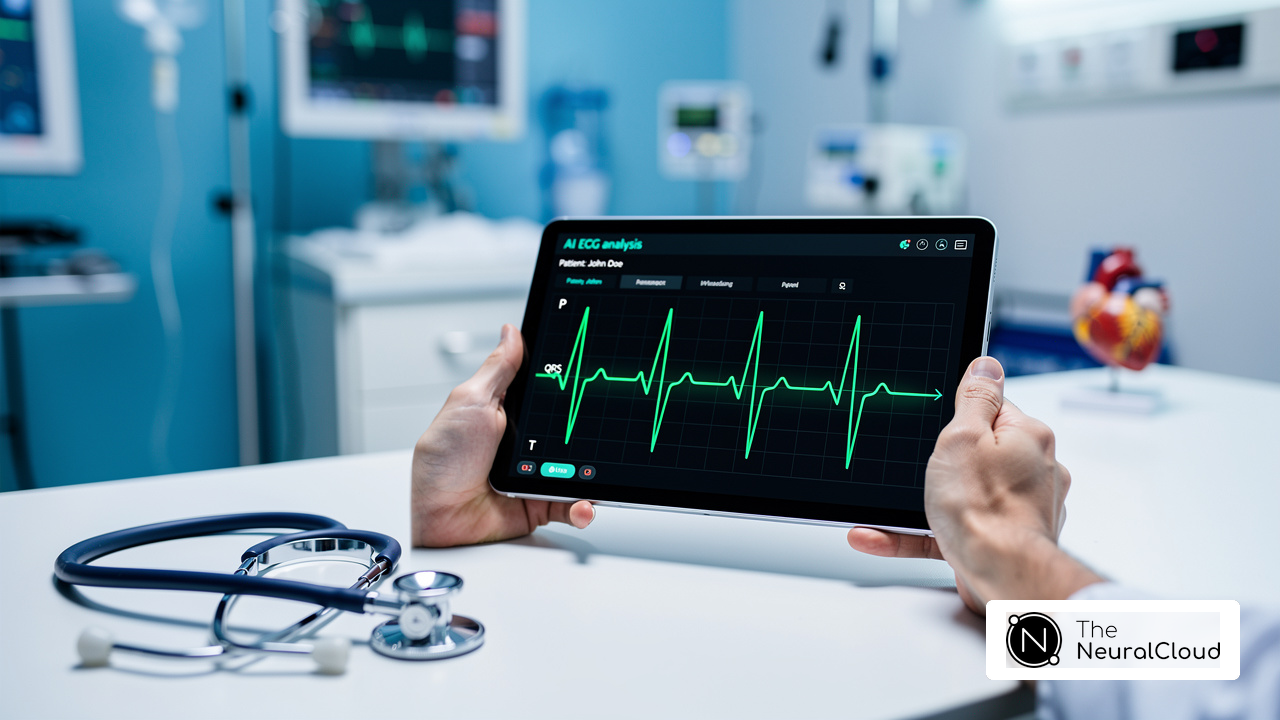
- Adopt AI-Powered ECG Analysis: Tools like MaxYield™ significantly improve the efficiency of ECG data processing by isolating noise and delivering clearer signals for interpretation. MaxYield™ maps ECG signals through noise, isolating and labeling key features in every heartbeat, and can analyze 200,000 heartbeats in less than 5 minutes. Research shows that AI can achieve detection accuracy rates of 96-97% in identifying irregular heart rhythms, outperforming traditional methods in arrhythmia detection. Dr. Alan Rabinowitz emphasizes that MaxYield™ competes with human analysis in accuracy and noise reduction advantages.
- Integrate Wearable Technology: Continuous monitoring devices, such as Holter monitors and smart wearables, provide real-time data that facilitate timely interventions for patients with known arrhythmias. The integration of AI in these devices has shown to enhance detection accuracy, with studies reporting a sensitivity of 93% and specificity of 84% for atrial fibrillation detection.
- Utilize Visualization Tools: Advanced software like Insight360 aids clinicians in visualizing ECG data trends, transforming MaxYield™'s clean ECG data into interactive dashboards and clinical-ready reports. Customizable dashboards enhance arrhythmia interpretation by highlighting critical data points, allowing for a more informed clinical decision-making process.
- Seamless Integration: MaxYield™ can be incorporated into existing platforms through API, SDK, or CDK, allowing healthcare practitioners to utilize its capabilities without necessitating hardware modifications. This device-agnostic ECG intelligence layer ensures that clinicians can enhance their diagnostic processes efficiently.
The integration of these advanced technologies not only enhances diagnostic accuracy but also transforms patient care in cardiovascular health. The advancements in AI-powered ECG analysis are particularly relevant in Canada, where ongoing research and implementation of these technologies are paving the way for enhanced cardiovascular care in cities like Toronto and Calgary. Furthermore, with FDA Class II SaMD clearance-pending status and audit-ready documentation supporting GxP inspections, Neural Cloud Solutions Inc. ensures compliance and reliability in its offerings.

Implement Continuous Education and Training for Healthcare Professionals
In the fast-paced world of healthcare, the ability to accurately interpret ECGs is more crucial than ever. To maintain high standards in arrhythmia interpretation, healthcare workers must engage in ongoing education and training. Effective strategies include:
- Participate in Workshops and Seminars: Regular attendance at workshops dedicated to ECG interpretation and arrhythmia management significantly enhances skills and knowledge. These events often feature case studies and the latest research findings, providing valuable insights into current practices.
- Utilize Online Learning Platforms: Numerous organizations offer online courses that cover advancements in cardiology, including the integration of AI in ECG analysis. These platforms offer flexibility, enabling busy individuals to learn at their own pace while remaining informed on essential topics.
Encouraging certification programs in arrhythmia interpretation not only validates expertise but also demonstrates a commitment to ongoing learning. Acknowledged programs within the healthcare community can enhance credibility and improve patient care outcomes.
Statistics show that nearly half of missed acute myocardial infarctions could have been caught with better ECG interpretation skills. This highlights the urgent need for continuous education. Furthermore, innovative ECG teaching techniques at NYITCOM have demonstrated the ability to improve ECG skills among medical students, which can act as a model for other healthcare workers. The American College of Cardiology recommends that an ECG should be recorded and interpreted within 10 minutes of referral in patients presenting with symptoms of acute coronary syndromes, emphasizing the urgency of timely education and training.
Using advanced technologies like Neural Cloud Solutions Inc.'s MaxYield™ can really boost the learning experience. MaxYield™ transforms lengthy and noisy ECG recordings into clean, crisp signals, leveraging cutting-edge AI technology for clarity and speed in ambulatory ECG waveform analysis. Expert endorsements from Dr. Alan Rabinowitz, Dr. Brett Heilbron, and Dr. Marc W. Deyell highlight that MaxYield™ competes with human interpretation in accuracy and greatly diminishes noise, rendering it an essential resource for healthcare practitioners.
Furthermore, the continuous learning model supported by Neural Cloud Solutions Inc. ensures that healthcare workers remain compliant with evolving standards and practices, including FDA Class II SaMD clearance-pending status. Focusing on ongoing education allows healthcare workers to improve their skills, guaranteeing they provide the best quality of care to those they serve. This dedication to learning is especially crucial in the context of managing complex cardiac conditions, where timely and precise arrhythmia interpretation can significantly influence outcomes for individuals.

Foster Collaboration Among Healthcare Professionals
Effective arrhythmia management often faces hurdles due to fragmented communication and lack of collaboration among healthcare professionals. To enhance teamwork in arrhythmia management, consider the following best practices:
- Establish Multidisciplinary Teams: Form teams comprising cardiologists, nurses, and technicians to ensure comprehensive patient care. Regular meetings foster communication and facilitate shared decision-making, which is crucial for effective management.
- Utilize Collaborative Platforms: Implement digital tools that enable real-time sharing of client data and ECG interpretations among team members. This method enhances the speed and precision of diagnoses, leading to better outcomes for individuals.
- Encourage Peer Review: Conduct regular case reviews as a team to learn from each other's experiences and refine diagnostic accuracy. This practice not only identifies areas for further training but also strengthens the team's collective expertise.
Research shows that when care is integrated, it can lead to fewer hospitalizations and lower mortality rates for cardiovascular patients, underscoring the effectiveness of multidisciplinary approaches. For example, a systematic review emphasized that organized multidisciplinary teams in arrhythmia interpretation lead to improved clinical outcomes and satisfaction among individuals.
Case studies from Canada demonstrate the success of multidisciplinary teams in managing arrhythmias. One notable example is the implementation of the AF-CARE model, which emphasizes comprehensive care strategies involving various healthcare specialists. This model has demonstrated an improvement in engagement and adherence to treatment plans, ultimately enhancing overall care quality.
Ultimately, embracing these collaborative strategies can lead to a marked improvement in patient care and outcomes in arrhythmia interpretation management.

Conclusion
Understanding arrhythmias is a complex challenge that directly impacts patient outcomes in healthcare. By grasping the intricacies of various arrhythmias and utilizing advanced technologies, healthcare professionals can enhance their diagnostic capabilities. This integration of AI-powered tools like MaxYield™ and continuous education initiatives leads to improved patient care and outcomes, ensuring clinicians stay at the forefront of arrhythmia management.
Key insights from this article emphasize the necessity of adopting advanced technologies, such as AI-driven ECG analysis and wearable monitoring devices, which significantly boost the accuracy of arrhythmia detection. Additionally, ongoing education and training for healthcare professionals are vital for maintaining high standards in ECG interpretation. Collaborative approaches among multidisciplinary teams promote effective communication and shared decision-making, essential for comprehensive patient care.
In conclusion, a commitment to best practices in arrhythmia interpretation not only enhances diagnostic accuracy but also elevates the overall quality of cardiovascular care. Embracing these strategies empowers healthcare professionals to deliver timely and effective interventions, ultimately benefiting patients with arrhythmias. The ongoing evolution of technology and education will redefine how arrhythmias are managed, ultimately enhancing patient care.
Frequently Asked Questions
What are arrhythmias and why are they challenging to manage?
Arrhythmias are irregular heartbeats that can present as fast, slow, or erratic heart rates. They are challenging to manage due to their varied presentations and potential complications.
How prevalent is atrial fibrillation (AFib) in Canada?
Atrial fibrillation (AFib) is particularly prevalent in Canada, affecting over one million individuals and significantly increasing the risk of stroke and heart failure.
What are the common types of arrhythmias?
Common types of arrhythmias include:
- Atrial Fibrillation (AFib): A rapid and irregular heartbeat that can lead to blood clots and stroke.
- Atrial Flutter: Similar to AFib but with a more organized rhythm and often less severe symptoms.
- Ventricular Tachycardia (VT): A fast heart rate originating from the ventricles, which can be life-threatening if untreated.
- Ventricular Fibrillation (VF): A chaotic heart rhythm that can lead to sudden cardiac arrest and requires immediate medical intervention.
What is the significance of early identification and intervention in managing arrhythmias?
Early identification and intervention are crucial in managing arrhythmias, as recent studies show that advancements in treatment techniques, such as catheter ablation for persistent AFib, can lead to improved patient outcomes.
How can healthcare professionals enhance their arrhythmia interpretation capabilities?
By understanding the various types of arrhythmias and their implications, healthcare professionals can significantly enhance their interpretation capabilities, leading to better diagnosis and management of these conditions.
List of Sources
- Understand Arrhythmias: Definitions and Types
- How Innovation and Technology Can Improve Atrial Fibrillation Patient Care - InventUM (https://news.med.miami.edu/how-innovation-and-technology-can-improve-atrial-fibrillation-patient-care)
- UCalgary research links gene to cardiac arrhythmias (https://libin.ucalgary.ca/news/ucalgary-research-links-gene-cardiac-arrhythmias)
- New study reveals a better way to get the heart back on beat - UBC Faculty of Medicine (https://med.ubc.ca/news/new-study-reveals-a-better-way-to-get-the-heart-back-on-beat)
- Landmark Canadian-led trial finds many atrial fibrillation patients can stop taking blood thinners | McGill University Health Centre (https://muhc.ca/news-and-patient-stories/news/landmark-canadian-led-trial-finds-many-atrial-fibrillation-patients)
- Utilize Advanced Technologies for Accurate ECG Interpretation
- Pioneering the pulse: How wearables and AI are revolutionizing early detection - Scripps Research Digital Trials Center (https://digitaltrials.scripps.edu/pioneering-the-pulse-how-wearables-and-ai-are-revolutionizing-early-detection)
- Three New Studies Show Viz.ai’s Cardio Suite Speeds Detection of Cardiac Disease and Improves Patient Follow-Up (https://viz.ai/news/three-new-studies-show-viz-ais-cardio-suite-speeds-detection-of-cardiac-disease-and-improves-patient-follow-up)
- Investigating the Efficacy of AI-Powered Innovations in ECG Analysis and Continuous Heart Monitoring: A Comprehensive Narrative Review - PMC (https://pmc.ncbi.nlm.nih.gov/articles/PMC12419789)
- Advances in Cardiac ECG Monitoring Technologies (https://dicardiology.com/channel/advances-cardiac-ecg-monitoring-technologies)
- Implement Continuous Education and Training for Healthcare Professionals
- Electrocardiogram Education: Innovative Didactic Methods Used by an Electrophysiologist to Enhance Education of ECG Interpretation at a Large Medical School (https://hmpgloballearningnetwork.com/site/eplab/electrocardiogram-education-innovative-didactic-methods-used-electrophysiologist-enhance)
- The Importance Of ECG Interpretation In Critical Care Settings | Tricog Health (https://tricog.com/the-importance-of-ecg-interpretation-in-critical-care-settings?srsltid=AU7gw4UNWlNNav-hA9tSMNFrRhbNbpNqemJs0GkPAOZ9faq3oImInSUm)
- Arrhythmia Update 2024 Conference - News - PHRI (https://phri.ca/au24)
- Foster Collaboration Among Healthcare Professionals
- The future of healthcare needs improved collaboration (https://hospitalnews.com/the-future-of-healthcare-needs-improved-collaboration)
- Building Multidisciplinary Teams in Interventional Cardiology - Cardiac Interventions Today (https://citoday.com/articles/2025-july-aug/building-multidisciplinary-teams-in-interventional-cardiology)
- Best practice and the collaborative power of the multidisciplinary team in cardiology (https://hospitalhealthcare.com/specialisms/cardiovascular/best-practice-and-the-collaborative-power-of-the-multidisciplinary-team-in-cardiology)
- A multidisciplinary team approach in the 2024 ESC guidelines for the management of patients with Atrial Fibrillation—what is the role of nurses and allied professionals? A Clinical Consensus Statement of the Association of Cardiovascular Nursing and Allied Professions (ACNAP) and the European Heart Rhythm Association (EHRA) of the ESC (https://academic.oup.com/eurjcn/article/24/6/828/8125700)